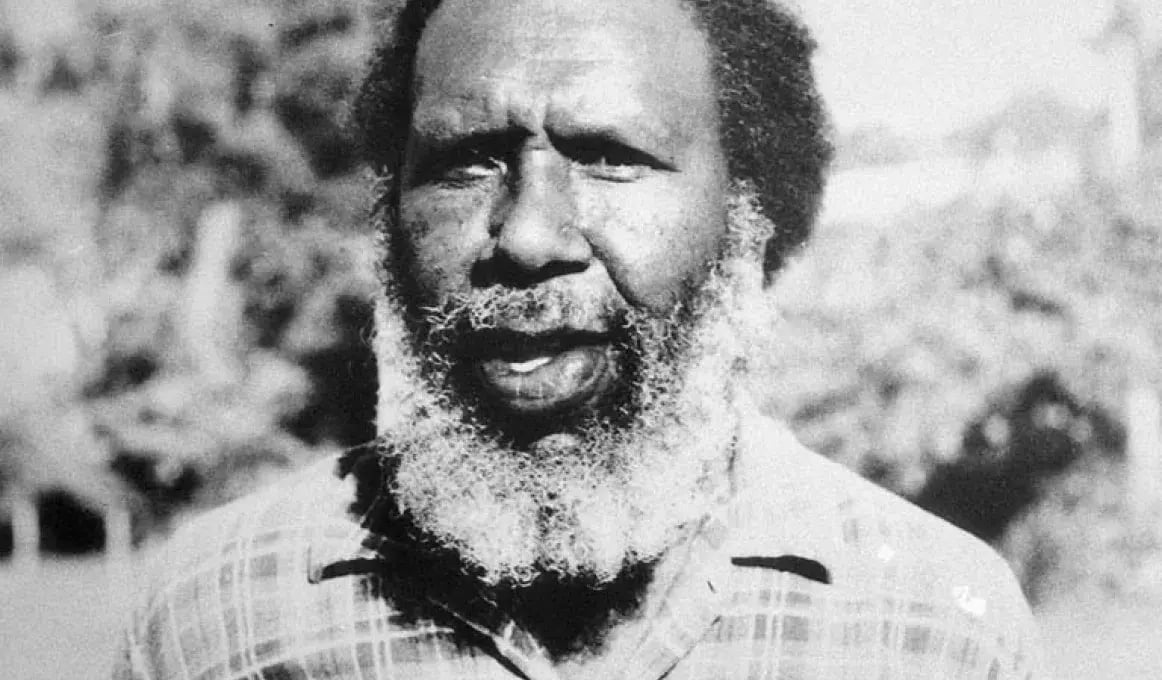
Each year on 3 June, Australians mark Mabo Day, a significant moment in our nation’s history that honours the life, courage and legacy of Eddie Koiki Mabo and recognises one of the most important legal decisions ever made in Australia.
Mabo Day commemorates the 1992 High Court decision in Mabo v Queensland (No 2), a landmark ruling that overturned the legal fiction of terra nullius, the colonial belief that Australia was “land belonging to no one” before British settlement.
For generations, this false doctrine was used to deny Aboriginal and Torres Strait Islander peoples their rights, cultures, laws and connection to Country. The Mabo decision changed that.
For the first time in Australian legal history, the High Court recognised that Aboriginal and Torres Strait Islander peoples held rights to their traditional lands that existed long before colonisation and, in many cases, continued to exist.
At the centre of this historic victory was Eddie Koiki Mabo, a proud Meriam man from Mer, also known as Murray Island, in the Torres Strait.
After learning that Australian law did not recognise his people's ownership of their ancestral lands, Mabo began a legal battle that would last more than a decade. Alongside fellow Meriam plaintiffs, he challenged the foundations of Australian land law and fought for the recognition of what his people had always known: that the land was theirs.
Sadly, Eddie Mabo passed away in January 1992, just months before the High Court delivered its decision. He never lived to see the outcome of the case that would forever change Australia. Yet his legacy continues to shape the nation today.
The Mabo decision paved the way for the Native Title Act 1993, allowing Aboriginal and Torres Strait Islander peoples across the country to pursue recognition of their traditional rights and interests in land and waters. It was a moment that transformed Australian law, challenged colonial myths and opened the door for greater justice and recognition.
Mabo Day also falls on the final day of National Reconciliation Week, making it a powerful reminder that reconciliation is grounded in truth telling, justice and recognition.
While the Mabo decision was a milestone, it was not the end of the journey.
The fight for land rights, self-determination, cultural protection, and equity continues. Across Australia, Aboriginal and Torres Strait Islander communities continue to advocate for recognition, justice and the protection of Country, while carrying the strength, knowledge and resilience of the world's oldest continuing cultures.
Mabo Day invites all Australians to reflect on our shared history and to acknowledge the truth of this land.
It is a day to honour Eddie Koiki Mabo, the Meriam people and all those who fought for recognition when the system told them they had none.
It is a day to recognise that justice is possible when people are willing to stand up, speak truth and challenge injustice.
Most importantly, Mabo Day reminds us that reconciliation cannot exist without truth.
As we reflect on the significance of 3 June, we remember that the Mabo decision was not simply a legal victory.
It was the recognition of a truth that Aboriginal and Torres Strait Islander peoples had always known, that this land was never empty, that its peoples were never invisible, and that their connection to Country has endured for tens of thousands of years.
That legacy continues today.
Mabo Day honours the life of Eddie Koiki Mabo and the historic Mabo decision that reshaped Australian law and recognition of First Nations land rights.